How The World Moves Is Shifting- The Trends Leading It In The Years Ahead
Top 10 Food And Nutrition Trends You Need To Be Aware Of In 2026/27Food can be seen as a fusion of culture, science economics, personal individuality in a manner the other facets of daily life are able to match. What people eat, where it originates from, how it's created, and what it does to the body are the subjects that get ever-more attention with each growing year. The nutrition and food landscape of 2026/27 is shaped the advancements in science, a growing consciousness of the environment, shifting preferences of consumers and a sector of technology which has recognized food as one of most important change opportunities in the coming years. These are the top 10 food and nutrition trends you need to know about heading into 2026/27.
1. Personalised nutrition moves from the concept to practiceThe notion that the optimal diet is different for every person based on genetics, gut macrobiome composition and metabolic profiles and lifestyle factors has been being explored in research literature for many years. In 2026/27 the tools for implementing that notion are being made available to people outside of specialist athletic clinics, and even elite athletes. There are platforms designed for the general public that combine genetic tests continuous glucose monitoring microbiome analysis, and AI-driven dietary advice are gaining ground in more mainstream markets. The one-size fit-all nutritional guideline is not disappearing completely, but has been increasingly supplemented by suggestions that are adapted to the particular rather than the standard.
2. Gut Health Remains Central To Mainstream Nutrition ThoughtThe gut microbiome, the huge community of microorganisms in the digestive tract, has grown to be one of most extensively studied areas of the field of nutrition, and the results continue to ripple across the way people think about what they eat. Gut health is linked to emotional wellbeing, immune function metabolic health, and inflammation have raised fermented foods, dietary fiber and probiotic items from health food store food items to top supermarket brands. A general understanding of gut health by consumers is a bit hazy and the supplement market in particular is prone to excessively promoting products, but the research is solid and expanding.
3. Plant-Based Eating Matures And DiversifiesThe first phase of meat substitutes made from plants meant to reproduce the taste and texture in the most exact way evolved into a broad range of. Whole food, plant-based diets, focused on legumes, veggies grain, nuts, and seeds in their more natural forms, is growing along with an ever-growing array of sophisticated alternative proteins. There is a shift in motivation too. Environmental impacts, health benefits, and animal welfare all feature usually in combination. A shift towards plant-based nutrition in 2026/27 will be less of a lifestyle phrase and more of the variety that a rising percentage of people are interacting with, in varying degrees.
4. Protein Demand Drives Innovation Across Multiple CategoriesProtein has become the most popular macronutrient available in the food sector, and the race for meeting the rising demand for it is driving the development of new products across a diverse range of sectors. Precision fermentation, which utilizes microorganisms to create animal proteins without animal products process, is growing. Insect protein is still struggling to overcome an important cultural barrier in Western markets, is gaining acceptance in certain processed food applications. Proteins from algae, single-cells created from agricultural waste and the continuous development of legume-based proteins are all part of an expanding protein supply of which is a reflection of both the environmental need and the commercial chance.
5. Ultra-Processed Food Faces Growing Regulatory PressureThe research that has linked high consumption of highly processed foods to a wide range of adverse health effects has grown until the point where regulatory responses are already beginning to follow. Warning labels, advertising restrictions particularly targeting children, school food safety standards, and public health campaigns specifically addressing ultra-processed food consumption are all gathering momentum in multiple countries. The food industry is responding with reformulation efforts of varying intensity, and awareness on the food category that is processed is increasing, even if behavior change at population level remains challenging to achieve. The direction for policy change is apparent, even if the pace is contested.
6. Food Waste Reduction Becomes A Serious PriorityNearly a third products produced globally are wasted or discarded, resulting into an enormous ecological, economic and ethical disaster. In 2026/27, tackling food waste is drawing serious attention from the government, retailers, food service operators, and tech developers. Dynamic pricing of food that is approaching the date it is used-by and AI-driven demand forecasting which reduces overproduction, apps connecting surplus food to people who need it, as well as charities, and innovations in packaging that prolong shelf life all contribute towards a change that can be measured. For consumers, normalizing the imperfection of produce choosing meals more carefully, and using food to the fullest are simple habits and can be a huge impact when applied to a larger scale.
7. Functional Foods and Beverages Make It To MainstreamFoods and drinks that offer specific health benefits above essential nutrition have advanced beyond the aisle of health food. Cognitive function as well as sleep quality managing stress, immune support and energy without the crash associated with conventional stimulants are all targets for more mainstream beverages and food products that contain adaptogens, nootropics certain minerals and vitamins and bioactive components. The line between food, supplements, and pharmaceutical is becoming genuinely obscure in some categories, raising concerns about evidence standards, regulation oversight, and the degree to which functional claims can be established. Consumer appetite, however, remains unabated.
8. Local And Regenerative Food Systems Attract Interest From NewcomersGlobal food supply chains have shown great fragility during recent times of turmoil, and the response has included renewed demand for shorter and more robust foods systems that are local to the area. Farmers markets, community-based agricultural schemes and direct-to-consumer businesses in food have all grown. Alongside localism, regenerative farming practices, that are designed to restore soil health, increase biodiversity, and store carbon rather than merely sustaining yields, are attracting significant attention from investors and consumers. It is a challenge to expand these strategies without losing the value they bring which is one of the defining questions that will be posed to the food system in the coming decade.
9. AI And Technology Transform Food Production and Food SafetyArtificial intelligence is being applied across the food system ways that are beginning to see tangible results. Precision agriculture with AI-driven analysis of satellite imagery, soil sensors, and meteorological data is increasing yields while decreasing input usage. AI-powered food security monitoring can detect problems with quality and contamination faster than conventional inspection methods. In product development, AI is accelerating the identification of innovative ingredients, flavour profiles and formulations that may have taken years to come up with by trial and error. The food industry is technologically intensive in ways that are not readily apparent to consumers but can be seen as reshaping safety and efficiency across the entire supply chain.
10. Mindful And Intentional Eating Challenges Diet CultureA fundamental shift in the way that people view food is taking place in the way we relate toward food, psychologically. The long-standing influence of diet culture with its emphasis on restriction of calories and moral judgements attached to food choices, is currently being changed by approaches that emphasize an awareness of hunger and satiety signals, pleasure, variety, and a non-punitive connection to eating. Intuitive eating, mindful eating practices, and general rejection of restriction as well as guilt-based eating are gaining recognition in the mainstream, particularly among younger generation who grew up with more visible conversations concerning the relationship among diets and disordered eating. This transition isn't without its own challenges, but it's a significant improvement in the way food and health are defined.
The food and nutrition trends of 2026/27 will be a subject of a world that is grappling both with scarcity and abundance and a new frontier of scientific discovery and the pervasive consequences of tradition, culture and economic pressure. The trends mentioned above don't provide a clear and unambiguous direction for the way that humanity eats however they do point in one direction: look at this towards greater individualization, more ecological responsibility, and a healthier relationship between the food we consume and how we feel eating it. To find additional context, head to some of these trusted cznewsdesk.com/ to learn more.
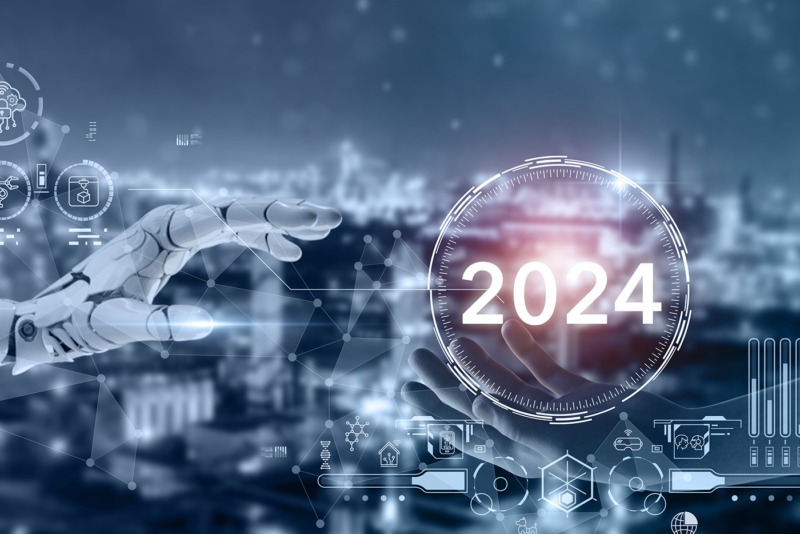 The 10 Career Development Changes Driving The Future Of Work In The Years Ahead
The world of work is experiencing one of its most significant shifts in recent history. Automation and artificial intelligence are changing the way jobs are done, determining which require human involvement, and which do not. The nature of work is being impacted by hybrid and remote models that have decoupled employment from physical location in ways still being played out. The skills that employers most need are changing faster than educational institutions can adapt to reflect. The relationship between people and companies is moving away from the traditional long-term commitment model to something more fluid, more negotiated and reliant on continual evidence of value. These are the top ten career development trends shaping the changing career market that will take place in 2026/27.
1. AI Literacy Becomes A Universal Professional RequirementThe ability to work effectively alongside AI tools is fast becoming a standard expectation for professionals in virtually every industry, rather than a specific skill only confined only to tech roles. Understanding what AI can do and cannot do with certainty as well as how to build effective workflows and prompts to critically evaluate the AI-generated outputs and how to incorporate AI tools into the professional environment productively are all capabilities that employers are increasingly recognizing as essential rather than optional. Professionals who are successful aren't necessarily the ones who have a deep understanding of AI most deeply on a technical level but professionals who can combine solid know-how with practical capacity to make use of AI tools efficiently within their area of expertise.
2. Skills-Based Hiring Displaces Credential Based SelectionEmployers are shifting away from using academic credentials as a primary factor in hiring decisions, instead looking at the skills demonstrated and their practical capabilities. The realization that a degree earned from a particular institution is not a reliable representation of the abilities required by the job is driving investment in skills assessments for portfolio-based recruiting, work assessments, sample tests, as well as competency frameworks that assess what applicants are able to do instead of the credentials they possess. Individuals, this presents both an opportunity and a obligation: the chance for a competitive advantage based on demonstrated capability regardless of their educational background and the responsibility to continue to build and demonstrate this capability constantly.
3. It is estimated that the Half-Life Of Skills Shortens DramaticallyThe rate at which certain technical skills are becoming obsolete is expanding, mainly due to the pace of AI advancement, but also by the broader velocity of change across different industries. Skills that were considered to be competitive five years ago are now common expectations today, and skills which are at the forefront of technology today could be automated or replaced in the same time frame. It is causing a paradigm change in the way career development is approached, shifting away from the notion of acquiring an established body of knowledge and trading on it for years, to a strategy of continual learning, regular appraisal of skills, and getting ahead of where the market changes rather than where it was.
4. Portfolio Careers and Non-Linear Pathways become mainstreamThe idea of a career progression that is linear through one company or even a single field that runs from entry to retirement no longer describes the way in which most individuals' lives go and has become less of an idealistic default. Portfolio careers that combine multiple streams of income, freelance work as well as employment, regular changes in fields or extended breaks for schooling or caregiving progress are becoming more and more common and being accepted with employers that have learnt to recognize a variety of career paths for evidence of scalability rather than insecurity. The ability to articulate a coherent narrative that connects different experiences is now a crucial professional communication skill.
5. Remote And Distributed Work Reshapes Career GeographyThe geographical constraints in career development have eased significantly for jobs that can be performed remotely, however these implications aren't fully settling. Professionals from smaller cities and regions now have access to roles or companies that have required relocation. The talent markets are becoming more competitive, as employers hire globally instead of locally for several positions. Career benefits of being physically present in major professional locations have diminished for certain roles but still have a significant impact on other positions. In order to manage your career in a complex world, and deciding when proximity matters and when it's not and how to preserve accessibility and career advancement opportunities within dispersed organizations, is an key and recent professional ability.
6. Personal Branding Is No Longer Optional To EssentialThe visibility of an expert's understanding, skills and experience beyond the borders of their current employers is now a significant profession-related asset, in ways that could only be found in only a few people in earlier generations. Establishing a reputation for professionalism through the creation of content such as public speaking, engagement, and active participation within professional networks provide security against organizational change as well as options that solely internal career development doesn't. You don't have to be an Instagram or Twitter celebrity. But establishing enough external exposure for opportunities, collaborations, and connections arrive at you in the absence of a single employer has become standard career guidelines rather than an extra addition for the incredibly ambitious.
7. Human Skills Command A PremiumAs AI assumes more of the cognitive tasks that previously required human skills, the abilities which remain distinct to human beings are increasingly valued in the world of work. Emotional intelligence, the ability to recognize, manage and effectively respond to emotions on behalf of others as well as oneself, can be among the top consistently identified differentiators in positions that require leadership, client relationships, negotiation, team management and complex communication. It is a combination of creativity, ethical judgment and the ability to deal with uncertainties, and to build genuine confidence are all traits that AI can augment rather than duplicate. Professionals who have strong know-how in their domains or technologies in conjunction with human expertise will be able to compete within the most safest part of the labour market.
8. Psychological Safety and Wellbeing are now Retention ImperativesThe determinants of talent's decisions have significantly shifted towards an improved working environment, the psychological security of the team, the quality of management, and the extent to which work aligns with the values of each individual. Although compensation is important, it's increasingly insufficient as a standalone retention strategy for experts most in demand. Organizations that invest in real well-being, in high-quality management that have a culture in which people are comfortable contributing their fullest and express concerns without fear is consistently better than those that rely on financial incentives on their own. For individuals, assessing the psychological environment of a potential employer in the same way as applying to promotion and compensation is now a standard part of career advice.
9. Promotion of mentorship and sponsorship is a recurrent RelevanceIn an environment of career advancement marked by rapid shifts, it is important to have relationships with experienced professionals that offer perspective advocacy, as well as exposure to jobs that aren't generally known has increased rather than decreased. Mentorship is a process where a more experienced professional is able to share knowledge in direction, as well sponsors, where a senior advocate actively open doors and put their trust in the advancement of a person These two are getting new attention as career-building instruments. Reverse mentorship, where more junior professionals share expertise in areas such as technology, social platforms, and emerging cultural trends with senior colleagues, is also growing as a valuable and relationship-building practice that benefits both parties.
10. Goals and Meanings Drive Career Decisions of a Growing CohortThe proportion of workers taking career decisions motivated by a desire to do fulfilling work, a connection between personal values and the organizational mission and the belief that their work is valued beyond the business output is increasing. This is most pronounced among young professionals, but it isn't only restricted to them. Organisations that provide genuine motives and a sense of purpose, despite competitive environments, and who can prove that they are true to their mission claims rather than simply making them clear, are always able to attract and retaining the people most capable of contributing to that mission. The relationship between purpose and career does not come without its problems But the direction of direction is toward a worker which is expecting more from work than a transaction and is now more inclined to make decisions that are in line with that expectation.
In 2026/27, career development requires active involvement, continuous learning, and more focussed self-control than at times in the past of work. These trends do not simplify the way forward however they do make it clearer. Professionals who comprehend where value is evolving through the years, develop capabilities that will remain distinctively human Develop visible expertise and treat their careers by working on ongoing projects instead fixed plans will find many opportunities in this market as opposed to a sense of anxiety. The world of work is changing fast, but it is not just changing in a random manner. You can see a pattern, people who orient themselves towards it at an early stage have an advantage. For further context, head to some of these reliable blickarchiv.de/ to read more.